Social platforms changed how humans communicate, build identity, share ideas, and document life experiences. Few platforms have influenced global culture as strongly as Instagram. Photos, short clips, stories, reels, and visual-first communication created a language that communicates faster than text ever did alone. This digital environment made personal branding more accessible, friendships more visual, humor more meme-driven, and fame more algorithmically scalable.
But it also introduced something equally powerful: digital boundaries.
Millions of users set their accounts to private to protect family photos, personal updates, work life separation, and social peace. Privacy is not a luxury feature anymore. It is a key expectation, a psychological comfort zone, a legal necessity in many regions, and a foundational design principle in social networking infrastructure.
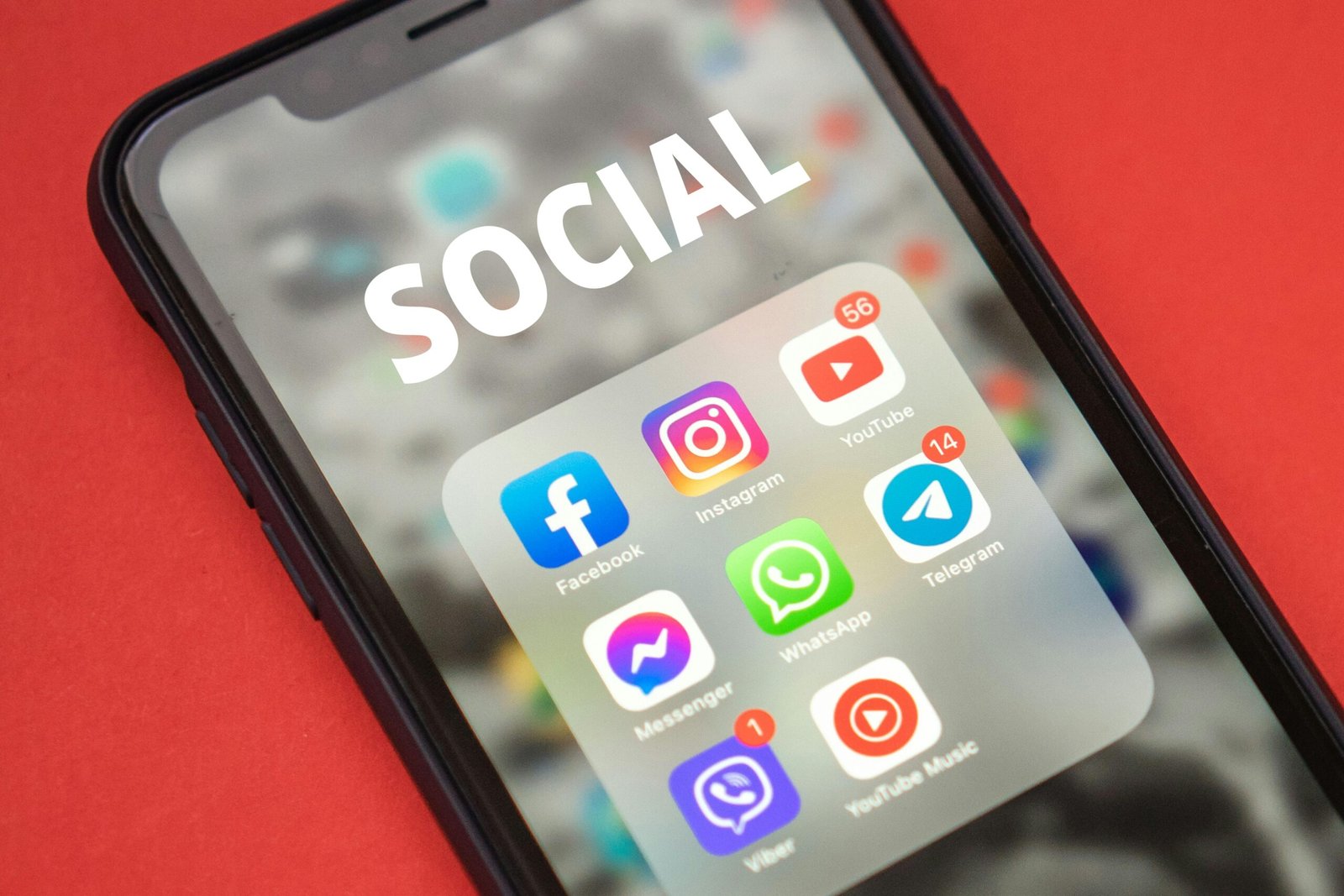
In parallel, Telegram bots rose as one of the fastest ways to interact with software-like systems conversationally. Telegram makes bot creation easy, deployment cheap, automation powerful, and interaction natural without clunky UI dependencies. This combination inspired thousands of bots across entertainment, productivity, crypto markets, download utilities where legal, community tooling, and educational services.
Where curiosity becomes controversial is when the bot topic shifts into requests like “private account viewer,” especially targeting Instagram’s protected user content.
The intent for some users is curiosity or fandom checking, not harm. Unfortunately, regardless of intent, accessing private social information without consent is universally classified as digital privacy intrusion. Responsible platforms do not allow it, and ethical developers do not build tools that break personal boundaries.
This article explores the technical side of Telegram bots, how private content is protected on Instagram, the hidden risks in bots claiming unauthorized access, the ethical cost for creators, why Telegram becomes a target for privacy-seeking automation tools, what digital laws say about privacy interference, and most importantly, safe and permission-first alternatives for viewing social content transparently.
Why Do Telegram Bots and Instagram Appear Together So Often in Search Trends?
Modern users increasingly want:
-
automation through chat rather than desktop interfaces
-
real-time responses
-
lightweight bot tooling
-
centralized services inside one messenger app
-
simple commands
-
fast delivery
-
notification convenience
-
community interaction convenience
-
curiosity-driven mini tools, especially for media or entertainment
Telegram offers exactly that. A single chat interface gives access to entire backend command runners, database answer systems, stream handlers, alert responders, parsing agents, or automated notifications. It is essentially the CLI of messaging apps.
Instagram is often mentioned in bot conversations because:
-
Instagram holds massive amounts of personal content
-
users want to view content offline or sort it personally where they hold rights
-
social curiosity trends are higher on Instagram than any other platform
-
recommendations and algorithms drive discovery faster
-
influencer culture lives strongly in visual identity platforms like Instagram
-
users trust Telegram as a bot host more than random downloaded applications
-
Telegram supports automation without app switching
But the clash comes from misunderstanding what’s allowed.
Instagram protects private content using authentication tokens, server-validated user access ranks, and encrypted media caching or retrieval flows limited to app-contained visibility only. Telegram bots do not have legal rights to impersonate Instagram servers, sniff authentication tokens, or export private user content without explicit permission.
Telegram smartphones validate access, but Instagram servers validate who gets access. Those are different validations architecturally and legally.
The Technical Reality: How Instagram Protects Private Accounts
When an Instagram user changes their profile to private, the platform activates several layers:
-
follower attestation required before content visibility
-
privacy flagging modules applied to the account
-
server-side access denial for non-followers
-
content removed from public discovery APIs
-
media hidden from external unauthenticated requests
-
security scanning for spoofed authentication or traffic redirection
-
session-level authorization validation before any private media is rendered
-
no external export privileges granted to bots or unverified requesters
This is not a weak gate. It is one of the strongest social media privacy models available publicly.
Even if an image or video is stored on Instagram servers, it is indexed privately, not publicly. The visibility privilege belongs to followers approved by the account owner, not the device running the viewer.
A Telegram bot cannot override that privilege without breaching privacy law.
What Is a Telegram Bot Actually Capable of Doing Legally?
Telegram bots can legally perform thousands of actions that don’t break privacy or copyright law:
-
download public media if the content owner allowed downloads
-
fetch public API data through authenticated tokens you are allowed to use
-
archive content you personally own or have rights to back up
-
search public hashtags
-
notify you of your own account analytics if Instagram API access is granted to you
-
schedule posts if you authenticate your own account willingly through approved services
-
fetch trending public content summaries
-
run community services, word games, educational quizzes, media conversion of public domain assets, diary logging, notification bots, etc.
Telegram accepts bot creation easily, but ethical bots still validate user permission before accessing anything sensitive.
Telegram is a messenger platform owned by Telegram Messenger LLP. Instagram is a platform owned by Meta Platforms. Both enforce privacy regulations differently and clearly.
Bot freedom doesn’t mean bot entitlement to private data.
Security Risks of Bots Claiming Unauthorized Instagram Access
Here is where user safety deserves intense attention.
Bots claiming to reveal Instagram private accounts often show some overlapping signs:
1. They may require login spoofing
Bots that ask for credentials or OTP codes are suspicious. Legal bots never ask for OTP intrusively.
2. Token interception risks
Some bots may try to intercept Instagram Web API tokens which is a breach of Meta’s TOS.
3. Data harvesting risk
Malicious bots sometimes collect usernames or personal analytics from users even if the service does not work.
4. System privilege abuse
These bots may encourage unsafe downloads or scripts disguised as viewers.
5. Injection of unsafe payloads
Files sent by unauthorized bots can contain obfuscated malware.
6. No signed integrity verification
Legitimate apps use signed delivery. Piracy bots usually don’t.
7. Account ban risk
Using bots to mimic Instagram API infiltration can lead to account restriction.
8. Legal monitoring risk
Unauthorized privacy-bypass bots can attract Digital Millennium Copyright or privacy violation review by legal enforcement.
9. Ethical damage risk
Using or supporting these bots harms privacy sustainability for creators.
This tool category is one of the most flagged bot archetypes in cybersecurity discussions today.
You never know who is writing into your system when privileges are not validated securely.
Ethical and Legal Implications
Most countries have strong data privacy laws such as:
-
GDPR (Europe)
-
CCPA (California)
-
DPDP Act (India)
-
LGPD (Brazil)
-
POPIA (South Africa)
These systems protect:
-
personal digital content
-
unauthorized scraping
-
unlicensed data redistribution
-
digital fraud
-
privacy breach
-
unauthorized social identity misuse
Even viewing private photos without consent is considered digital intrusion in many legal frameworks.
So, if a bot sets out to view private Instagram profiles without permission, the law classifies the attempt itself as an intrusion, even if nothing destructive happened.
Private means protected by law.
Protected means non-downloadable without permission.
And ethical means sustainable creator revenue must be respected.
Responsible, Safe, Legal Alternatives to Private Instagram View Bots
Here are safe, ethical, permission-first, professional alternatives for users curious about private social content:
1. Send a follow request and wait for approval
It is the only permission-validated method for viewing private accounts.
2. Use your own Instagram analytics if you granted API permissions
Developers often use Instagram APIs legitimately through approved scopes.
How Developers Actually Build Compliant Instagram Bots
Legitimate Instagram bots often integrate:
-
Instagram official APIs
-
user-granted OAuth tokens
-
session validated requests
-
region verified privileges
-
encrypted handling of offline caches
-
non-exportable internal storage for licensed playback
-
data validation layers
-
moderation attestation before actions
Telegram bots are built in frameworks like:
-
TypeScript
-
Node.js
-
express servers
-
fetch agents
-
media conversion when public domain or rights-owned
-
internal VM or container runtime isolation for backend processing
-
bot answer routers
These bots live by:
Permission first, execution second, and no destructive bypass ever.
Cultural Curiosity vs Privacy Violation
The world has always loved forbidden knowledge. Pandora had a box. The internet had private profiles. Manga foxes guarded transition gates silently without destroying them. Hardware Brom modes validated USB access without burning devices. Container runtimes like Colima validated Linux access without UI restrictions. Ethical bots do the same: they validate intent and permission without burning privacy or copyright.
Curiosity is creative. Intrusion is destructive.
Manga titans from the 90s showed this idea powerfully with silent guardian figures. Modern tech teaches it structurally.
A Telegram bot can be charming, useful, powerful, elegant, fast, mythic, community-driven, useful for analytics, creative for storytelling, delightful for media you hold rights to, and still respectful of digital ownership. But once it crosses into unauthorized privacy overrides, it is no longer a creative utility. It becomes a responsibility failure.
And responsibility failure is always louder than innovation.
Stay ahead in the tech world with www.techoelite.com, where trends, tips, and tech news come together. The website regularly shares updates about software updates, mobile apps, and digital tools that enhance daily life. Readers can easily follow the latest developments to stay informed. Visit www.techoelite.com for fresh insights.
Conclusion
Telegram bots are brilliant automation tools. Instagram private accounts are brilliant privacy tools. When both are used ethically and legally, users and developers both win. When bots claim to override privacy without consent, everyone loses: users face malware risk, creators lose royalties, platforms must enforce bans, and ethics collapse quickly. Validation, not violation, always builds a better digital ecosystem.